plumbing stop leak Full Release solutions for lasting pipe repairs
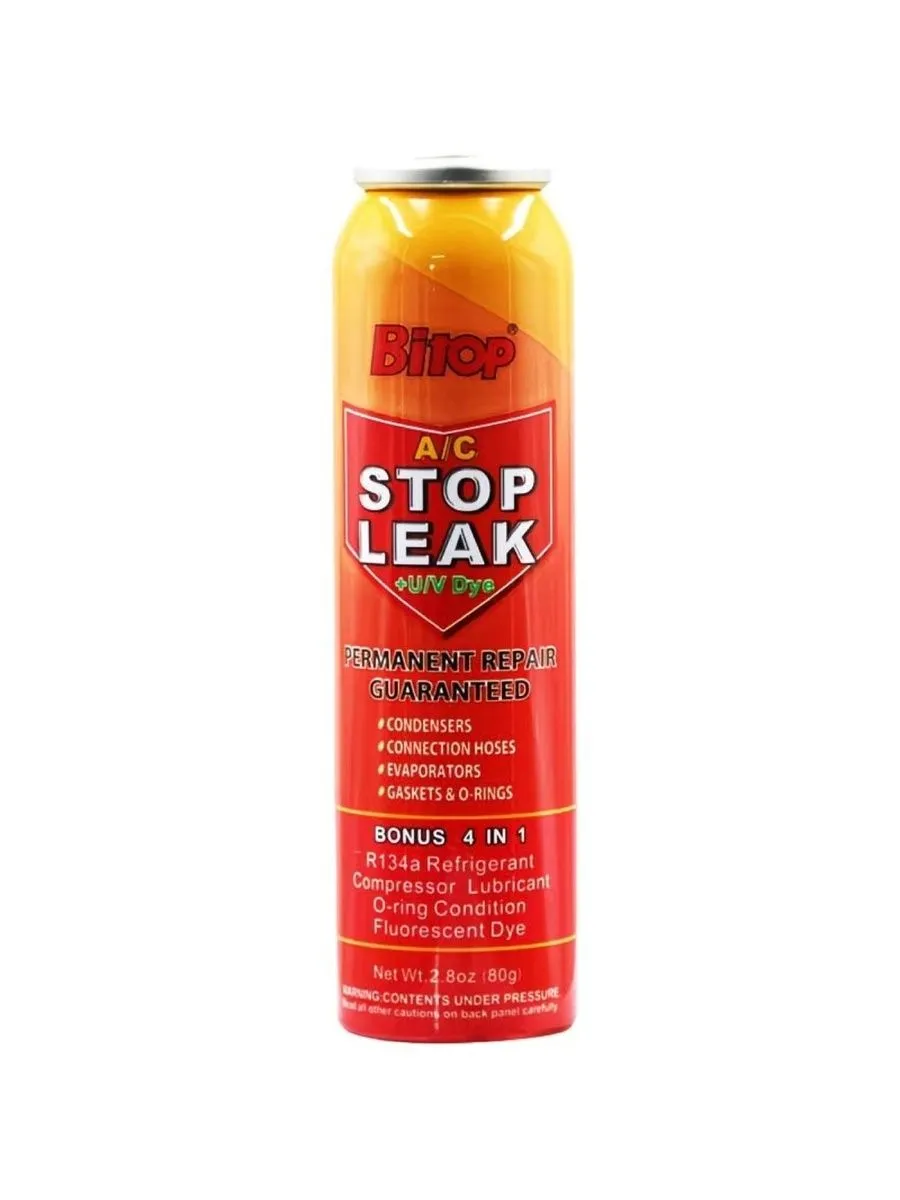
Every dripping faucet and hissing pipe costs homeowners and businesses thousands in wasted water and potential structural damage annually. Unlike temporary fixes that patch leaks only to fail again, full-release stop leak solutions offer a permanent alternative—sealing cracks, joint failures, and corrosion without replacing entire pipe systems. These advanced compounds, formulated with polymers and high-performance resins, chemically bond to pipe surfaces, halting leaks in copper, galvanized steel, and PVC under moderate pressure conditions.
Yet not all leaks are created equal. While full-release products excel in addressing small cracks or loose fittings in accessible pipes, they fall short in high-pressure systems or severe corrosion cases. Understanding when to apply these solutions—and when to call a professional—requires knowledge of pipe materials, leak types, and the chemical interactions that make these compounds effective. From DIY applications to environmental considerations, the choice of repair method can mean the difference between a quick fix and a long-term solution.
Understanding Plumbing Leaks and the Role of Full-Release Stop Leak Solutions

Plumbing leaks represent one of the most pervasive and costly issues in both residential and commercial settings, accounting for an estimated 1 trillion gallons of water wasted annually in the U.S. alone (EPA, 2021). These leaks originate from diverse sources, each requiring tailored solutions to prevent water damage, mold growth, and escalating repair costs. Unlike temporary fixes that mask symptoms, full-release stop leak solutions offer a permanent, non-invasive alternative for specific leak types, leveraging advanced chemical formulations to seal defects without pipe replacement. This section explores the root causes of plumbing leaks, the mechanism of full-release stop leak compounds, and their comparative advantages over traditional repair methods, while identifying scenarios where alternative interventions are necessary.
Common Causes of Plumbing Leaks by Type and Setting

Plumbing leaks are categorized based on their origin, pipe material, and environmental exposure. In residential settings, leaks often stem from age-related deterioration, improper installation, or mechanical stress, while commercial systems face additional challenges like high-pressure demands and corrosive industrial environments. Below is a classification of leaks by type, accompanied by real-world examples illustrating their prevalence and impact.
Pipe Cracks and Fractures Cracks typically occur in older pipes due to material fatigue, ground shifts, or freeze-thaw cycles. For instance: - Galvanized steel pipes in homes built before the 1960s often develop hairline cracks from internal corrosion, leading to slow but persistent leaks at joints or along the pipe length. - PVC pipes may fracture under extreme pressure or when subjected to improper handling during installation, such as excessive bending or UV degradation from outdoor exposure. - Copper pipes are prone to stress cracks near fittings or valves due to thermal expansion/contraction cycles, particularly in basements with temperature fluctuations.
Joint Failures and Connection Leaks Joints are the weakest points in plumbing systems, accounting for 20% of residential leaks (HomeAdvisor, 2022). Common failures include: - Loose or corroded threaded connections in older brass fixtures, such as showerheads or faucets, where zinc pitting causes threads to strip over time. - Failed slip couplings in PVC or CPVC pipes, where the rubber gasket deteriorates from exposure to hot water or cleaning solvents, leading to seepage. - Solder joint leaks in copper plumbing, where improper flux residue or insufficient solder creates a porous seal, vulnerable to corrosion over time.
Table of Contents
Fixture and Appliance Leaks Leaks from fixtures and appliances are often highly visible but may indicate underlying pipe issues. Examples include: - Toilet tank leaks caused by a failed flapper valve, where water continuously drips into the bowl, eroding the ceramic base and eventually cracking the tank. - Dishwasher connection leaks due to vibration-induced loosening of the supply line hose, common in homes with hard water deposits accelerating rubber degradation. - Water heater leaks from corroded anode rods or cracked tanks, where sediment buys up in the bottom layer and eats through the metal, leading to catastrophic failures.
Pressure-Related Leaks Excessive water pressure—often set above 80 PSI—forces leaks through micro-fractures or seal gaps. Cases include: - Burst supply lines in older homes with single-lever faucets, where pressure spikes from fire department use or backflow exceed pipe material limits. - Leaking radiators in forced-hot-water heating systems, where high-pressure steam escapes through soldered seam failures in cast iron or aluminum units. - Underground pipe ruptures in municipal systems during hydraulic tests or freeze events, where pressure surges exceed the rated burst strength of PVC or ductile iron pipes.
Mechanism of Full-Release Stop Leak Solutions
Full-release stop leak products differ from traditional temporary fixes by penetrating the leak source and curing into a flexible, waterproof seal without requiring excavation or pipe replacement. Their efficacy lies in a multi-stage chemical reaction that adapts to the pipe material and leak type. Below is a breakdown of how these compounds function compared to temporary and permanent alternatives.
Chemical Composition and Reaction Process Full-release stop leak compounds typically consist of: - Epoxy or polyurethane resins – Provide the structural integrity of the seal. - Flexible polymers – Allow the compound to expand and contract with pipe movement (critical for copper or PEX). - Corrosion inhibitors – Prevent future oxidation at the repair site. - Thixotropic agents – Ensure the compound stays in place during application, even on vertical pipes. - Water-reactive catalysts – Trigger cross-linking upon contact with moisture, forming a hydrophobic barrier.
The application process involves: 1. Surface preparation – Removing rust, scale, or loose debris to ensure adhesion. 2. Compound injection – Using a caulking gun or pump to force the material into the leak via a small entry hole drilled near the defect. 3. Curing phase – The compound expands slightly to fill voids, then hardens into a seal that withstands pressure (typically up to 150 PSI for most products).
Comparison: Temporary Fixes vs. Full-Release Solutions
| Factor | Temporary Fixes (Epoxy, Tape, Clamps) | Full-Release Stop Leak Compounds |
|---|---|---|
| Longevity | 3–12 months (depends on leak severity) | 5–20+ years (permanent if applied correctly) |
| Pressure Resistance | Up to 50 PSI (often fails under stress) | 80–150 PSI (designed for municipal pressure) |
| Pipe Material Suitability | Limited (best for small copper/PVC leaks) | Copper, galvanized steel, PEX, CPVC (not for cast iron) |
| Application Complexity | Low (DIY-friendly) | Moderate (requires drilling, surface prep, curing time) |
| Cost | $5–$20 per fix | $50–$150 per application (includes tools) |
| Water Contact Time | Must dry completely before water exposure | Cures underwater or in wet conditions |
| Structural Integrity | Risk of bulking or cracking under stress | Flexible, resists vibration and thermal shifts |
Key Advantages of Full-Release Solutions - Non-destructive – No need to cut or replace sections of pipe. - Underwater application – Can be used on active leaks without shutting off water. - Corrosion resistance – Inhibits future rust at the repair site. - Compatibility with multiple materials – Unlike soldering (copper-only) or adhesive (PVC-only).
Limitations Full-release compounds cannot address: - Structural pipe collapse (e.g., severe corrosion, rodent damage). - High-pressure main lines (e.g., municipal water mains exceeding 150 PSI). - Underground leaks without excavation (though some products offer remote injection via access points).
Visual Representation of a Leaking Pipe and Full-Release Application
Below is a text-based cross-sectional diagram of a leaking galvanized steel pipe, annotated for clarity. This representation highlights where a full-release stop leak compound would be applied and the interaction zones between the pipe, corrosion, and sealant.
+-----------------------------------------------------+
| Leaking Pipe Cross-Section | ||||
|---|---|---|---|---|
| +---------------------+ +---------------------+ | ||||
| Outer Pipe Wall | Inner Pipe Wall | |||
| (Galvanized Steel) | (Corroded Layer) | |||
| +---------+-----------+ +---------+-----------+ | ||||
| Leak Pathways: | Full-Release Compound | |||
| - Micro-cracks (A) | - Injected via drill hole (B) | |||
| - Corrosion pits (C) | - Expands to fill voids (D) | |||
| - Joint separation (E) | - Cures into flexible seal (E) | |||
+--------------------------------
Full-release stop leak compounds represent a game-changer for leak repairs, blending affordability with durability for homeowners and maintenance teams alike. By bypassing the need for costly pipe replacements, these solutions preserve infrastructure while reducing water waste and energy losses. However, their success hinges on proper application, material compatibility, and recognizing the limits of their capabilities. As plumbing systems age, investing in the right tools and knowledge ensures leaks become a relic of the past—not a recurring headache.
Leave a Comment
Comments are moderated before appearing. The data you submit is processed according to the Privacy Policy of Passenger.