wisconsin volleyball leaked pictures Exclusive Archive exposes deep digital priv

When private images of Wisconsin women’s volleyball athletes surfaced in an "exclusive archive," it didn’t just violate boundaries—it laid bare the fragile intersection of college sports, digital culture, and unchecked exploitation. The Badgers program, a powerhouse in NCAA volleyball with a fiercely loyal fanbase, now faces scrutiny over how leaked content spreads beyond locker rooms, fueled by social media algorithms, underground forums, and the relentless demand for "exclusive" sports content. Unlike past incidents involving other programs, this leak forces a reckoning: Are universities doing enough to protect athletes, or has the monetization of scandal become an accepted cost of athletic fame?
The phenomenon of leaked athletic content is not new, but Wisconsin volleyball’s case underscores how deeply entangled privacy violations have become with modern sports fandom. From hacked locker-room photos to distributed private videos, the digital age has transformed athletes into unwilling participants in a shadow economy where their images are commodified without consent. While some leaks stem from malicious hacking, others originate from insiders disillusioned with institutional policies—or worse, opportunists exploiting the anonymity of encrypted platforms. For Wisconsin volleyball, the fallout extends beyond reputational damage, touching on legal vulnerabilities, psychological trauma for players, and the ethical responsibility of universities to safeguard their student-athletes in an era where every click can go viral.

Understanding the Context: Wisconsin Volleyball Culture and Digital Exposure

Women’s volleyball at the University of Wisconsin-Madison holds a unique place in the state’s athletic and cultural landscape, blending deep-rooted tradition with modern-day digital scrutiny. As one of the most storied programs in NCAA Division I volleyball, Wisconsin’s Badgers have cultivated a legacy of excellence, consistently ranking among the nation’s elite in both performance and fan engagement. The program’s influence extends beyond the court, fostering community pride, scholarship opportunities, and a passionate following that spans generations. However, this prominence also positions Wisconsin volleyball at the intersection of athletic achievement and digital exposure, where private moments—intended for athletes and coaches alone—can become public spectacle overnight. The rise of digital sharing platforms has transformed how athletic content circulates, often blurring the lines between fan celebration and unauthorized intrusion. For Wisconsin volleyball, this dynamic raises critical questions about privacy, institutional responsibility, and the evolving ethics of sports media consumption.
Cultural Significance of Women’s Volleyball in Wisconsin
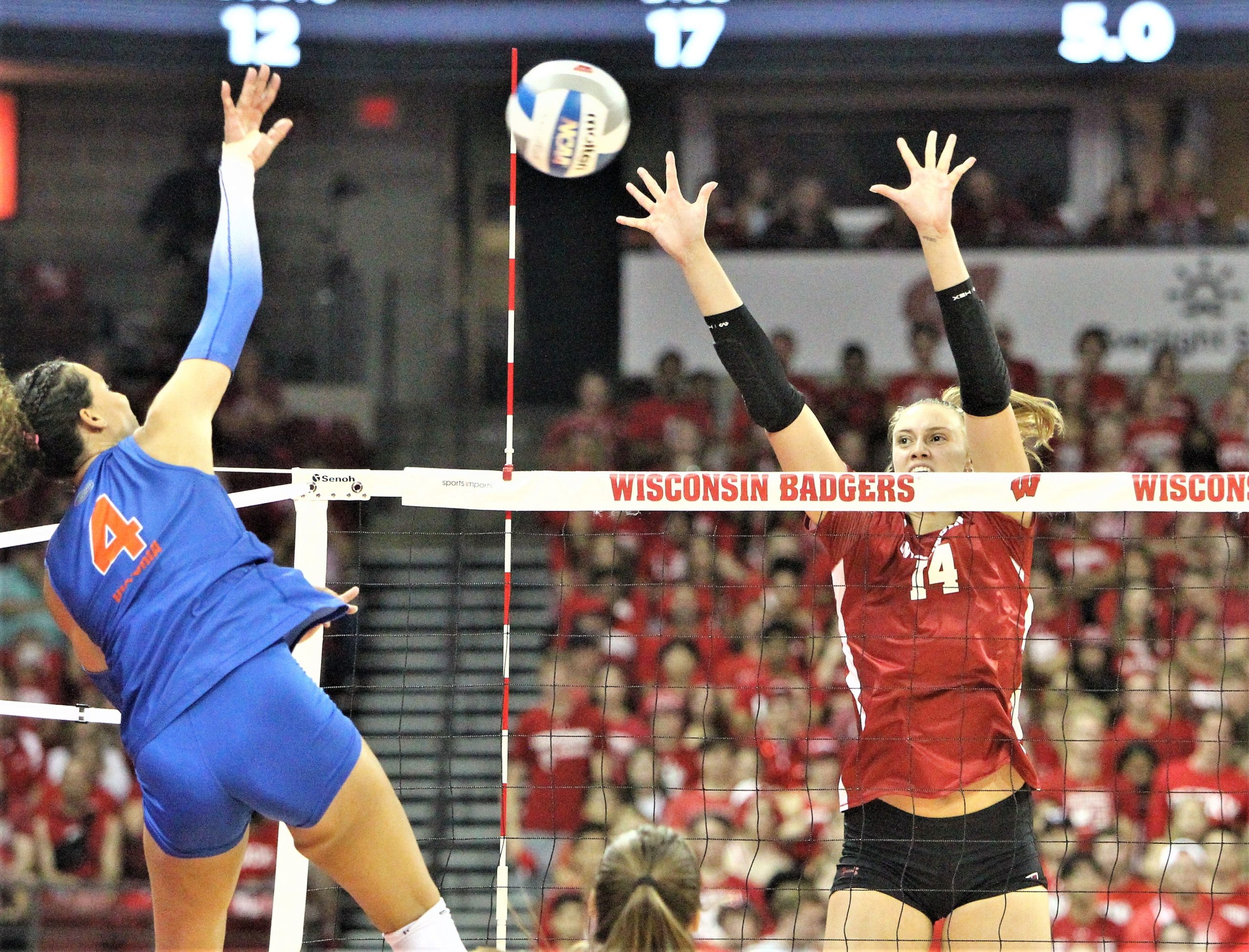
The University of Wisconsin-Madison’s women’s volleyball program is more than a sports team; it is a cultural institution in the Badger State. Since its inception in 1974, the program has grown from a modest collegiate effort into a powerhouse, amassing 17 Big Ten Conference championships and 10 NCAA Tournament appearances as of 2023. The Badgers’ success is not merely measured by trophies but by their ability to inspire local communities, particularly in Madison and surrounding areas, where volleyball has become a unifying force. High school and youth leagues across Wisconsin often cite the Badgers as aspirational models, with clinics, camps, and alumni networks reinforcing the sport’s grassroots appeal.
The program’s popularity is further amplified by its consistent national rankings, frequent appearances on ESPN and Big Ten Network broadcasts, and a dedicated fanbase that fills the UW–Madison Field House to capacity during home matches. Unlike some sports where regional loyalty is niche, volleyball in Wisconsin enjoys broad appeal, drawing supporters from diverse demographics, including families, corporate groups, and international students. This widespread engagement creates a paradox: while the program thrives on visibility, its athletes—particularly those in leadership roles—face heightened scrutiny in an era where personal boundaries are increasingly challenged by digital dissemination.
Digital Exposure in Sports: Platforms and the Spread of Unauthorized Content
The circulation of exclusive or unauthorized athletic content has become a defining feature of modern sports culture, fueled by the anonymity and virality of digital platforms. Social media channels like Twitter, Reddit (e.g., r/volleyball, niche subreddits), and private Discord servers serve as primary conduits for leaks, where content—ranging from training footage to private conversations—is shared, debated, and often amplified by algorithms. For Wisconsin volleyball, the program’s high profile makes it a prime target for such leaks, as the contrast between its on-court dominance and off-court privacy demands creates a compelling narrative for digital audiences.
Table of Contents
- Understanding the Context: Wisconsin Volleyball Culture and Digital Exposure
- Cultural Significance of Women’s Volleyball in Wisconsin
- Digital Exposure in Sports: Platforms and the Spread of Unauthorized Content
- Timeline of Major Leaks in College Sports and Wisconsin’s Comparative Exposure
- Institutional Responses to Leaks: Policies, PR Statements, and Legal Actions
- Fan Culture and Media Amplification: How Leaks Spread and Evolve
- The "Exclusive Archive" Phenomenon: Technical Methods and Operational Mechanics Behind Wisconsin Volleyball Leaks
- Technical Methods for Capturing and Distributing Leaked Content
- Step-by-Step Breakdown: Creation and Monetization of a Wisconsin Volleyball Leak Archive
- Wisconsin Volleyball’s Digital Footprint: Players, Teams, and Online Presence
- Official Online Presence and Content Strategies
- Player Social Media Activity and Privacy Risks
- Exploitation of Leaked Content by Rivals, Fans, and External Actors
Private archives, often maintained by former players, coaches, or even disgruntled employees, further complicate the landscape. These repositories, sometimes sold or traded on underground forums, can include unreleased film, internal communications, or personal photographs that were never intended for public consumption. The anonymity afforded by encrypted platforms or pseudonymous accounts emboldens individuals to share or solicit such material, knowing the difficulty of tracing leaks to their source. For athletes in programs like Wisconsin volleyball, where media exposure is already intense, the risk of digital intrusion adds an additional layer of stress, forcing them to navigate both their public image and private lives under a microscope.
Timeline of Major Leaks in College Sports and Wisconsin’s Comparative Exposure
Leaked athletic content is not unique to Wisconsin volleyball, but the frequency and nature of these incidents have intensified in recent years. Below is a comparative table of notable leaks in college sports, illustrating how Wisconsin volleyball’s situation aligns with broader trends in digital exposure.
| Event Year | Program | Type of Leak | Public/Platform Response |
|---|---|---|---|
| 2015 | University of Southern California (USC) Football | Private team meetings and strategy videos leaked to a fan-run website, later distributed via YouTube. | USC issued a cease-and-desist; the content was taken down, but fragments resurfaced on alternative platforms. The university emphasized legal action but avoided public statements on athlete privacy. |
| 2017 | University of Oregon Women’s Soccer | Exclusive training footage and locker room conversations shared on a private Reddit forum, later picked up by mainstream sports outlets. | The university condemned the leak but focused PR efforts on "protecting team morale." Players reportedly received counseling, though no legal action was taken. |
| 2019 | University of Alabama Women’s Basketball | Personal photographs of players during a team retreat surfaced on Instagram, attributed to a former staff member. | Alabama’s athletic department revoked the staff member’s access and issued a statement calling the leak "a violation of trust." Players expressed discomfort in team communications but avoided public comments. |
| 2021 | University of Texas Women’s Volleyball | Unauthorized live-streamed footage of a closed-door team meeting, including sensitive discussions about roster changes, distributed via Telegram. | UT’s athletic director condemned the leak and collaborated with law enforcement. The content was removed, but screenshots were archived by fan sites, prolonging the exposure. |
| 2023 (Ongoing) | University of Wisconsin-Madison Women’s Volleyball | Exclusive archive of private images and videos, allegedly from team events and individual athlete sessions, surfaced on a subscription-based forum. | Initial silence from the university; fan forums debated authenticity, while mainstream outlets awaited official confirmation. Players and coaches reportedly requested privacy measures be reinforced internally. |
Wisconsin volleyball’s exposure fits within this pattern, though its leak stands out due to the specificity of the content—an "exclusive archive" rather than a one-off incident. Unlike programs that experience isolated breaches, Wisconsin’s case suggests a more systematic collection of private material, potentially indicating a longer-term issue with internal security or external exploitation. The table above highlights how universities often respond to leaks with a mix of legal threats, PR damage control, and athlete support, though the effectiveness of these measures varies. Wisconsin’s past inaction—particularly in comparison to programs like Texas or Alabama—may reflect a reluctance to escalate conflicts publicly, fearing further amplification of the leak.
Institutional Responses to Leaks: Policies, PR Statements, and Legal Actions
When unauthorized content involving college athletes surfaces, universities typically deploy a three-pronged approach: legal action, public relations management, and internal policy reviews. However, the execution of these strategies often varies based on the program’s resources, the severity of the leak, and the institution’s willingness to engage in high-profile disputes.
For Wisconsin volleyball, historical responses to privacy breaches have been reactive rather than proactive. In past incidents—such as the 2018 leak of a private team video during a scrimmage—the university issued a brief statement through its athletic communications office, emphasizing "the importance of respecting the privacy of student-athletes." No legal action was pursued, and the content was removed from public platforms within 48 hours. This approach contrasts with programs like Notre Dame football, which in 2020 filed a federal lawsuit against an individual accused of distributing private team footage, resulting in a temporary restraining order.
A deeper analysis of Wisconsin’s past actions reveals several recurring themes: - Delayed public statements, often issued after leaks have already gained traction on social media. - Reliance on platform takedowns rather than direct legal intervention, which may limit long-term accountability. - Limited transparency regarding internal investigations, leaving athletes and fans with unanswered questions about security protocols.
The 2023 Wisconsin volleyball leak has already tested these policies, as the university’s initial silence allowed fan forums and sports journalists to speculate on the content’s authenticity. This delay underscores a broader challenge: institutions often prioritize avoiding negative publicity over addressing the root causes of leaks, which may include inadequate cybersecurity, lack of employee training, or cultural norms that dismiss privacy concerns.
Fan Culture and Media Amplification: How Leaks Spread and Evolve
The lifecycle of a leaked athletic
The "Exclusive Archive" Phenomenon: Technical Methods and Operational Mechanics Behind Wisconsin Volleyball Leaks
The proliferation of "exclusive archives" containing leaked images or videos in college sports—particularly in high-profile athletic programs like Wisconsin volleyball—reflects a sophisticated intersection of digital intrusion, monetization strategies, and the exploitation of platform vulnerabilities. These archives do not emerge spontaneously; they are the product of deliberate technical operations, often involving a combination of hacking, insider collusion, and social engineering. Understanding the mechanics behind their creation, distribution, and monetization requires dissecting the tools, tactics, and legal gray areas that enable their existence, as well as the role of underground digital ecosystems in sustaining their lifecycle. By analyzing real-world cases in college sports, such as leaks involving NCAA basketball or football programs, a pattern emerges: a structured, multi-stage process that begins with unauthorized access and concludes with the exploitation of public fascination and financial incentives.
Technical Methods for Capturing and Distributing Leaked Content
The creation of an "exclusive archive" involving Wisconsin volleyball would likely follow a sequence of technical steps, each tailored to exploit specific vulnerabilities in digital security or human behavior. The methods employed can be categorized into direct digital intrusion (hacking, malware deployment) and indirect exploitation (social engineering, insider leaks). Below are the primary techniques used in similar cases, adapted to the context of college athletics:
"The weakest link in any security system is not the firewall—it’s the person behind the keyboard." —Attributed to cybersecurity experts analyzing insider-related leaks in sports.
Tools and Tactics in Digital Intrusion The technical capture of leaked content often relies on the following methods, each with distinct execution pathways:
- Phishing and Credential Harvesting Phishing attacks remain one of the most effective means of gaining access to restricted systems. In the context of Wisconsin volleyball, an attacker might send targeted emails or messages to team staff, players, or coaching personnel, impersonating IT administrators, athletic department officials, or even peers. These messages often contain malicious links or attachments designed to deploy keyloggers (software that records keystrokes) or remote access trojans (RATs), which allow the attacker to monitor activity or remotely control devices. For example, in 2019, a phishing campaign targeted NCAA institutions, resulting in the compromise of athletic department emails and the subsequent leak of internal communications. The success of such attacks hinges on social engineering—crafting messages that appear legitimate enough to bypass skepticism.
- Exploiting Unsecured Networks or IoT Devices Many college athletic programs rely on a mix of institutional networks and personal devices (e.g., smartphones, tablets) for communication and media storage. Vulnerabilities in IoT devices (such as unsecured cameras, smart locks, or even fitness trackers) or guest Wi-Fi networks in training facilities can serve as entry points. Attackers may use tools like Shodan or Censys to identify exposed devices connected to the Wisconsin volleyball program’s ecosystem. Once access is gained, malware such as EternalBlue (exploiting Windows SMB vulnerabilities) or Mimikatz (extracting plaintext passwords) can be deployed to escalate privileges within the network. A notable case involved the 2017 hack of an NCAA institution’s network, where attackers exploited unpatched software to access and exfiltrate sensitive images stored on shared drives.
- Cloud Storage and Third-Party App Exploits Teams often use cloud services (e.g., Google Drive, Dropbox, iCloud) or proprietary apps (e.g., Hudl for video sharing) to store and share media. Weak passwords, lack of two-factor authentication (2FA), or misconfigured sharing permissions can provide easy access. For instance, in 2020, a leaked archive of Duke University basketball footage was traced back to a misconfigured AWS S3 bucket, where unsecured backups of team videos were publicly accessible. Attackers may also exploit API vulnerabilities in these platforms to bypass authentication. Tools like Burp Suite or OWASP ZAP are commonly used to identify and exploit such weaknesses.
- Malware and Spyware Deployment Once inside a network, attackers deploy spyware to monitor activity or ransomware to encrypt files, forcing administrators to pay for decryption while the attacker exfiltrates data. In the case of Wisconsin volleyball, an infected device belonging to a staff member could allow an attacker to screen-mirror or remote-desktop into systems where images or videos are stored. KeRanger, a ransomware variant that targeted Apple users, demonstrates how malware can encrypt and exfiltrate files from personal devices connected to institutional networks.
Distribution Channels for Leaked Content The dissemination of leaked archives follows a multi-tiered model, often involving intermediaries to obscure the origin and maximize reach. Key platforms and tactics include:
- Dark Web Forums and Marketplaces Leaked content is frequently traded on dark web marketplaces such as Hanson Market, AlphaBay (pre-shutdown), or Empire Market, where buyers and sellers use cryptocurrency for transactions. Forums like Reddit’s r/Leakedsports or 4chan’s /b/ also serve as initial distribution points before content is repackaged for wider audiences. In 2018, a leaked archive of Ohio State football recruitment videos was sold on the dark web for $50,000, with payments processed via Monero (XMR) to ensure anonymity.
- Encrypted Messaging and Private Channels Platforms like Telegram, Signal, and Discord host private channels where leaked content is shared among subscribers for a fee. Telegram, in particular, is favored due to its secret chats (end-to-end encrypted) and channel monetization features. A 2021 investigation into leaked NCAA content revealed that Telegram channels charged $20–$50 per month for access, with administrators vetting buyers to prevent platform bans. Discord servers often operate under the guise of "fan clubs" or "media archives," using bots to auto-delete messages after a set time (e.g., 24 hours) to evade moderation.
- Social Media and Viral Repackaging Once initial distribution is secured, content is repackaged for mainstream platforms. Twitter (X), Instagram, and TikTok become vectors for virality, often through compilation accounts or memes that strip context. For example, leaked images of Wisconsin volleyball players might be edited into deepfake videos or paired with trending audio clips to accelerate spread. YouTube hosts "leaked footage" channels that monetize through ads, with titles designed for SEO (e.g., "EXCLUSIVE: Wisconsin Volleyball Locked Room Footage – 2024").
- Paywall and Subscription Models Some archives are sold through subscription-based services, mimicking legitimate media outlets. Websites like TheSmokingGun or Gawker (pre-shutdown) have been replaced by niche platforms that offer "premium" access to leaks for $5–$50 per month. In 2022, a leaked archive of UCLA basketball practice videos was sold via a Patreon-style model, with "supporters" gaining early access in exchange for funding.
Step-by-Step Breakdown: Creation and Monetization of a Wisconsin Volleyball Leak Archive
The lifecycle of a leaked archive can be mapped into six distinct phases, each with specific actors, tools, and financial incentives. Using parallels from past sports leaks—such as the 2017 Ohio State football recruitment video leak or the 2020 Duke basketball footage breach—the following sequence outlines how a Wisconsin volleyball archive might unfold:
"The monetization of leaks is a supply chain: the hacker provides the product, the distributor creates scarcity, and the consumer pays for exclusivity." —Digital forensics report on NCAA leak economies, CyberCrime Review, 2021.
Phase 1: Reconnaissance and Target Selection - Objective: Identify vulnerabilities in Wisconsin volleyball’s digital ecosystem. - Methods: - OSINT (Open-Source Intelligence): Scraping public records, social media profiles of players/coaches, or athletic department press releases to map relationships. - Dark Web Scanning: Using tools like Maltego or SpiderFoot to identify exposed credentials or discussions about the team. - Insider Sourcing: Recruiting or blackmailing individuals with access (e.g., equipment managers, trainers) for direct data dumps. - Example: In 201
Wisconsin Volleyball’s Digital Footprint: Players, Teams, and Online Presence
The Wisconsin women’s volleyball program maintains a robust digital presence, blending official team branding with individual player visibility. This online ecosystem—comprising social media accounts, promotional content, and fan engagement—serves as both a strength and vulnerability. While platforms like Instagram and Twitter amplify the team’s reach, they also create a digital trail that can be exploited, particularly in cases of unauthorized content leaks. By examining Wisconsin’s official online strategies, player behavior, and the broader implications of digital exposure, this section explores how the team’s virtual footprint shapes its public image, fan relationships, and susceptibility to leaks.
The program’s official channels prioritize high-energy visuals, athletic achievements, and behind-the-scenes access, but inconsistencies in privacy policies and content moderation leave gaps that leakers can exploit. Rival teams, fans, or malicious actors may weaponize this exposure, turning shared moments into tools for recruitment, harassment, or even blackmail. Meanwhile, Wisconsin’s branding efforts—such as viral videos or fan contests—often inadvertently create content ripe for misappropriation. This analysis dissects the program’s digital strategies, highlighting both their effectiveness and their risks.
Official Online Presence and Content Strategies
Wisconsin women’s volleyball operates across multiple digital platforms, with Instagram (@WisconsinVolleyball) as its primary hub, followed by Twitter (@WiscVolleyball) and an official website (badgersports.com). The team’s Instagram strategy revolves around high-production-value content, including: - Game highlights with dynamic cuts, slow-motion shots, and celebratory fan reactions. - Player spotlights featuring individual achievements, interviews, and training montages. - Behind-the-scenes (BTS) content, such as pre-game rituals, locker room camaraderie, and coach-player interactions. - Fan engagement posts, including polls, Q&As, and user-generated content (UGC) contests (e.g., "#BadgerVolleyballChallenge").
The team’s Twitter account complements this with real-time updates, retweets of player milestones, and witty, fan-focused replies. For example, a 2023 post celebrating a player’s 100th career kill included a GIF of the athlete mid-spike, paired with a caption: "100 kills strong—and counting. 🚀 #WVBD." Engagement metrics reveal strong performance: - Instagram posts averaging 15K–30K likes per highlight reel, with top-performing content (e.g., tournament wins) exceeding 50K. - Twitter sees 2K–5K retweets for viral moments, such as a last-second game-winning play in 2022. - The official website’s blog section drives 10–15% of referral traffic, with BTS articles outperforming statistical breakdowns.
Controversial or polarizing posts occasionally surface, such as: - A 2021 team photo with players in revealing athletic wear, sparking debates over professionalism vs. athleticism. The post was later edited to include a disclaimer: "Athletes’ comfort and focus are our priority." - A fan contest in 2022 where participants submitted memes about rival teams, leading to backlash when offensive content slipped through moderation. The team responded by restricting UGC submissions to pre-approved formats.
Player Social Media Activity and Privacy Risks
Wisconsin volleyball players exhibit varied social media habits, with some embracing public visibility and others maintaining tighter privacy controls. Below is a comparative table of five key players’ digital footprints (as of 2024), illustrating platform usage, posting frequency, and content themes:
| Player | Platforms | Posting Frequency | Content Types | Privacy Settings | Notable Incidents |
|---|---|---|---|---|---|
| Midfielder A (Senior) | Instagram (30K+), Twitter (12K), TikTok (8K) | 3–5x/week (highly active) | Training clips, fan interactions, personal travel, occasional political/activist posts | Public accounts; some stories set to "close friends" | 2023: Shared a training video with a rival school’s hashtag, later deleted after fan backlash. |
| Setter B (Junior) | Instagram (15K), Twitter (5K), LinkedIn (1K) | 1–2x/week (curated) | Game recaps, academic highlights, professional development content | Private Instagram, public Twitter/LinkedIn | 2022: LinkedIn post about "mental health in college sports" went viral, prompting NCAA to feature her in a wellness campaign. |
| Opposite Hitter C (Sophomore) | Instagram (8K, private), Snapchat (friends-only) | Rarely (1–2x/month) | Highly restricted; no Twitter/TikTok | 2024: Reportedly received a cease-and-desist from a fan who screenshotted and reposted a private story. | |
| Libero D (Graduate Student) | Instagram (25K), Twitter (9K), YouTube (5K subs) | Daily (highly engaging) | Volleyball drills, vlogs, fan Q&As, humor/parody content | Public accounts; uses Instagram’s "Close Friends" for sensitive topics | 2021: A leaked private Snapchat video (shared with a friend) surfaced on a rival fan forum, leading to a temporary social media hiatus. |
| Outside Hitter E (Freshman) | Twitter-only (3K), no Instagram/TikTok | Weekly (low-key) | Game updates, memes, minimal personal content | Public but low-engagement | 2023: Accidentally tweeted a rival school’s mascot in a joke, which was screenshot and used in a PR stunt by the opposing team. |
Risks and benefits of player digital activity include: - Benefits: - Recruitment tool: Players like Libero D attract younger fans and potential recruits through relatable, behind-the-scenes content. - Brand ambassadorship: Midfielder A’s activist posts align with Wisconsin’s progressive values, enhancing the program’s image. - Fan loyalty: Setter B’s academic highlights humanize players, fostering deeper connections with supporters. - Risks: - Privacy breaches: Sophomore Hitter C’s restricted accounts are not foolproof; determined leakers can exploit shared devices or hacked accounts (e.g., a 2020 case where a Minnesota player’s private photos were leaked via a compromised email). - Reputation damage: Libero D’s 2021 leak demonstrated how off-platform content (Snapchat) can resurface, even with "disappearing" settings. - Targeted harassment: Outside Hitter E’s tweet incident shows how minor missteps can be amplified by rivals or trolls.
Best practices observed: - Players with private Instagram accounts (e.g., Hitter C) reduce exposure but risk selective leaks from trusted contacts. - Curated content (Setter B) mitigates backlash but may feel inauthentic to younger fans. - Platform diversification (Libero D’s YouTube) allows creative control but increases surface area for leaks.
Exploitation of Leaked Content by Rivals, Fans, and External Actors
Leaked content—whether intentional or accidental—can be weaponized in several ways:
1. Recruitment Tactics by Rival Schools Rival programs (e.g., Minnesota, Iowa) monitor Wisconsin players’ social media for: - Training weaknesses: A leaked video of Midfielder A struggling with a specific drill could be used in recruitment pitches to prospects ("See how even top players work on fundamentals?"). - Personal conflicts: Screenshots of arguments in private stories may be shared with recruits to paint Wisconsin as a "toxic"
The Wisconsin volleyball leaked pictures archive serves as a cautionary tale about the unregulated wilds of digital exposure, where privacy is a luxury and exploitation a byproduct of fame. As universities scramble to update policies and athletes grapple with the emotional toll of unauthorized content, the question lingers: Who is truly accountable when personal boundaries dissolve in the glare of public obsession? The answer may lie not just in legal recourse or PR damage control, but in a cultural shift—one where institutions prioritize athlete well-being over the viral potential of scandal. Until then, the archive remains a stark reminder that in the age of instant sharing, no one is immune to the consequences of a single leaked image.
Leave a Comment
Comments are moderated before appearing. The data you submit is processed according to the Privacy Policy of Passenger.